Global manufacturers are widening their footprint in Southeast Asia, funnelling fresh investment into Vietnam, Malaysia, Indonesia and the Philippines as they continue to trim their dependence on Chinese factories. Since Washington imposed tariffs on Chinese goods under Section 301 in 2018, the shift has continued through 2026, as trade tension between the United States and China remains unresolved. Electronics, apparel and footwear brands are leading the move, according to trade and investment data tracked by the United Nations Conference on Trade and Development.
Samsung Electronics offers the clearest example of the pattern. According to the company, its manufacturing complex in Bac Ninh and Thai Nguyen provinces produces roughly half of the smartphones it sells worldwide and employs more than 150,000 workers, a scale that has turned northern Vietnam into one of the densest electronics-manufacturing corridors in Asia.
Separately, according to company disclosures and Vietnamese trade data, Foxconn, the Taiwanese contract manufacturer that assembles the bulk of Apple's iPhones, has expanded its Vietnam operations to include AirPods, iPad and MacBook components at plants in Bac Giang and Bac Ninh provinces. Nike and Adidas, meanwhile, now source about half of their footwear from Vietnamese factories, with Indonesia supplying nearly a third of the remainder, according to the companies' own manufacturing disclosures.
The regional shift has also changed foreign investment patterns more broadly. In 2022, foreign direct investment flowing into the ten ASEAN economies exceeded inflows into China for the first time, according to UNCTAD figures widely reported at the time. Vietnam's exports to the United States have more than tripled since 2018, prompting recurring scrutiny from US trade authorities over whether some shipments merely relabel Chinese-made goods to sidestep tariffs.
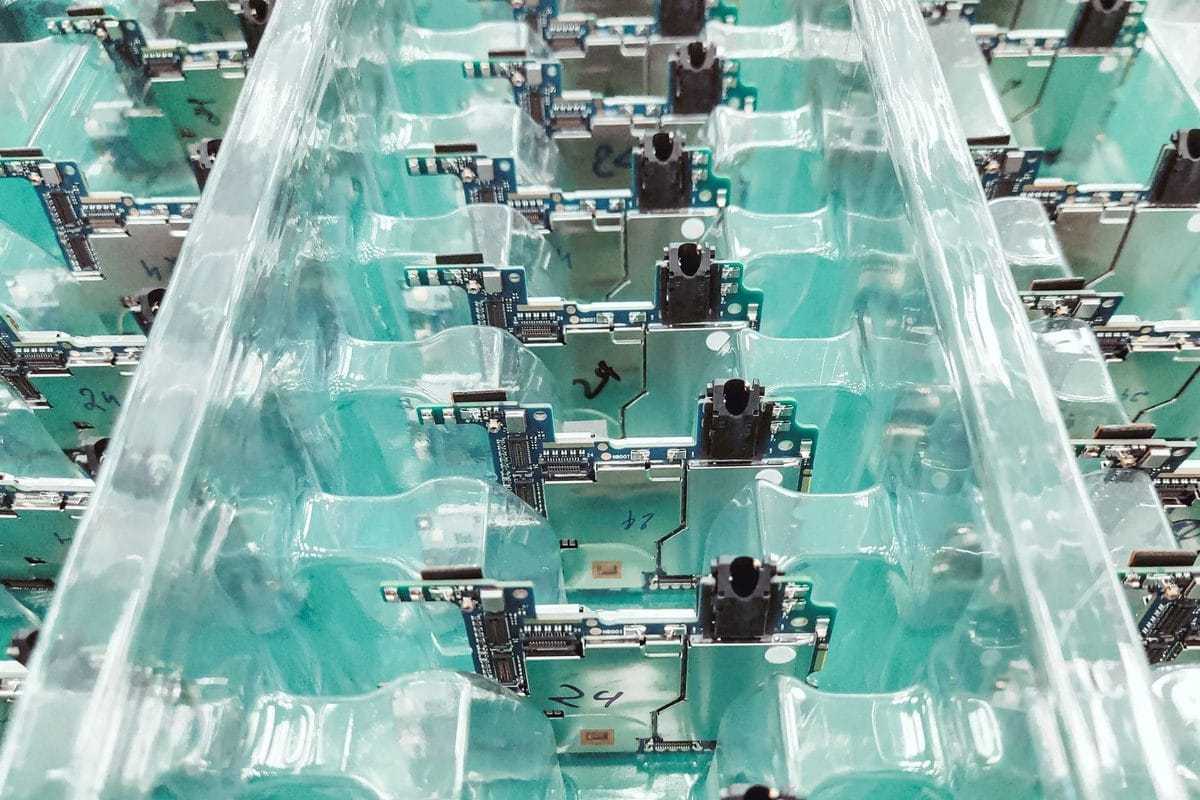
Malaysia has taken a different approach. On the country's northern peninsula, Penang and Kulim host semiconductor packaging and testing plants run by Intel, Infineon and Micron, building on a chip-assembly base that dates back to the 1970s. The Penang state government has said the sector accounts for a large share of the state's exports, though a fully updated figure has not been published since before the pandemic.
By contrast, the Philippines has drawn more modest but steady investment, concentrated in electronics assembly and business-process outsourcing rather than heavy manufacturing. The Philippine Economic Zone Authority has cited Nexperia and Analog Devices among the semiconductor firms running export-processing plants outside Manila.
Meanwhile, trade tension between Washington and Beijing shows no sign of resolving. Tariff schedules from both governments have been revised repeatedly since 2018, and executives across the electronics and apparel sectors have told investors they now treat Southeast Asian production capacity as permanent rather than a temporary hedge against further disruption.